
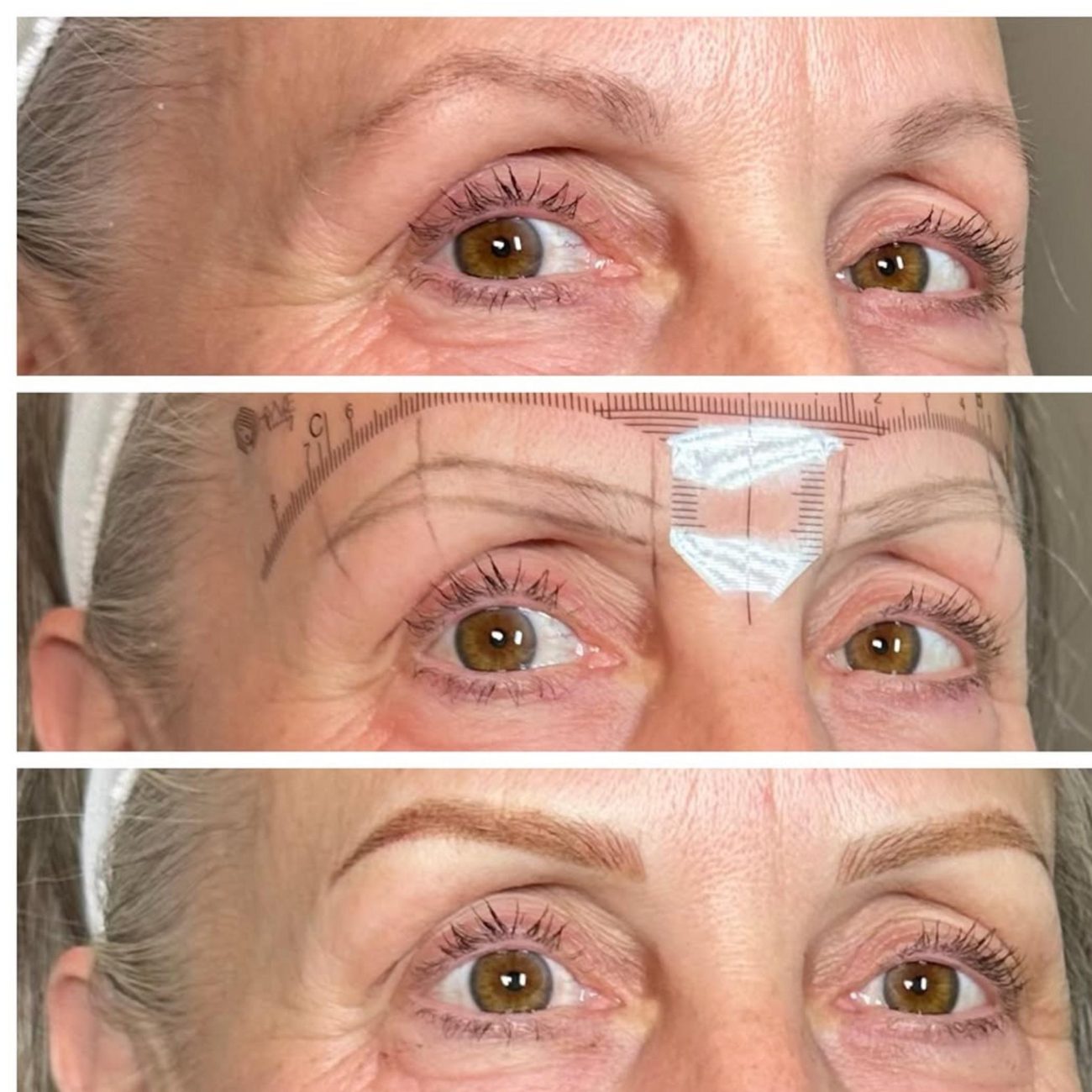
Why combination brows chading often heals better on large-pored skin comes down to the soft pixelated shading blending more evenly across textured areas, where crisp hair strokes can sometimes blur or lose definition during healing. If you’ve been wondering why combination brows shading large pores tends to heal more evenly than hair strokes, here’s the short answer: shaded pigment is usually placed in a softer, more diffused pattern, so it works with textured or oilier skin instead of fighting it. On large-pored skin, crisp strokes can spread, blur, or fade patchily, while machine shading often settles with better pigment retention and a more natural healed finish.
Hi, I’m Olha Po, the brains behind Cosmetic Tattoo Studio Melbourne Face Figurati, and you know what I get asked a million times during consulting? Clients come in wanting those super-fine feathery strokes, but when I take a closer look at their skin texture and pores, I sometimes tell them that a powder-dominant combo might be a better bet. And let me be clear – it’s not me being a tricky bugger, it’s me trying to save you from all those “why do my strokes go by week three?” messages.
Why This Stuff Matters Early On
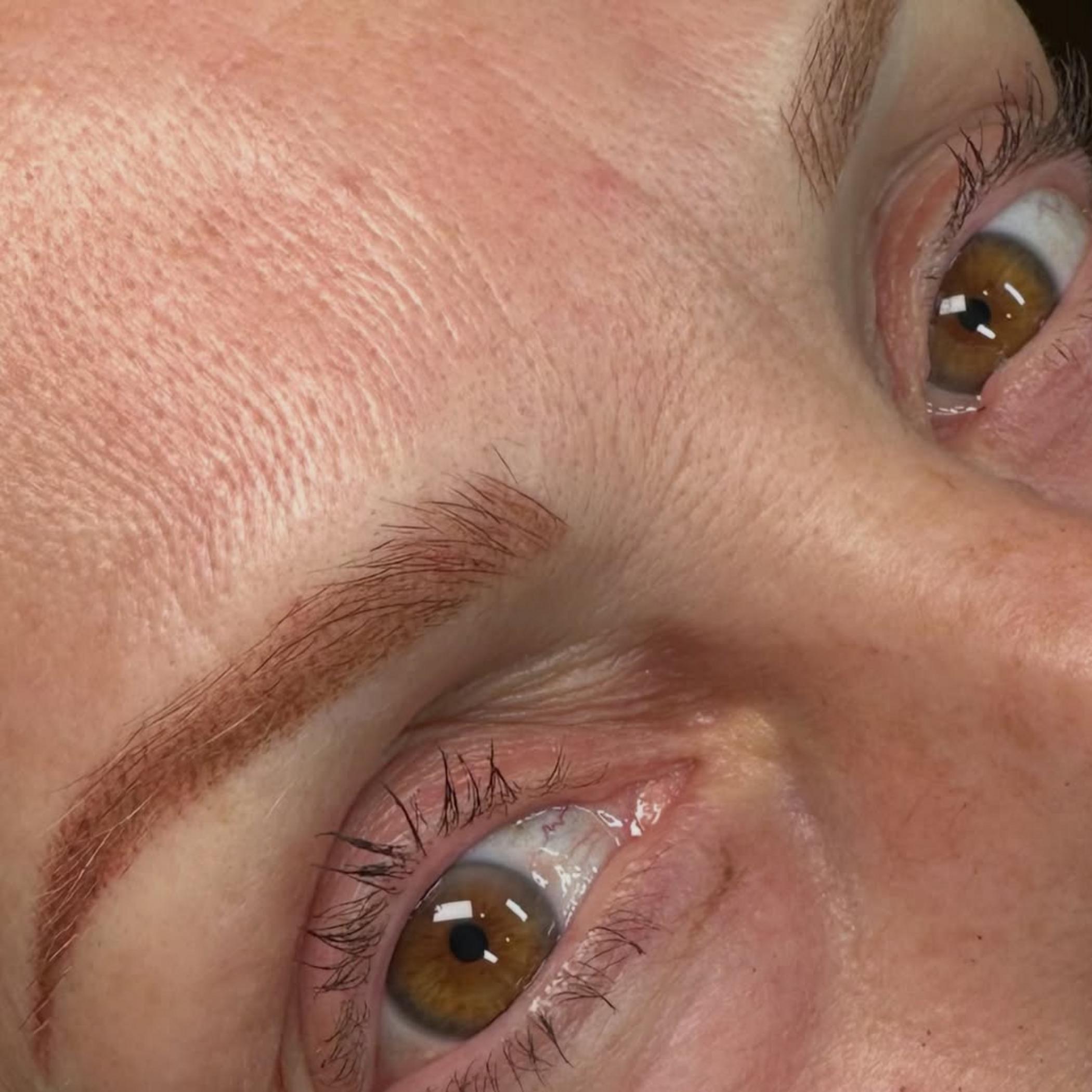
To be honest, if you’ve got oily or uneven skin in the brow area, the technique is super important – almost as important as the artist themselves. Get it wrong, and your soft, fuzzy or patchy eyebrows will be staring back at you, even if they looked perfect on the day of the treatment.
Living in Melbourne, I’ve also noticed that the changing seasons can really affect results. I mean, a hot summer, the gym, sunscreen and all that extra oil production – it’s a recipe for disaster when it comes to getting those combination brows just right, especially in the first two weeks.
How Pores Affect How Well It Holds
Large pores usually indicate increased oil flow or a more active skin texture. That means it’s not so good at holding onto those tiny, crisp lines like it would with healthy skin. What you get instead is pigment spreading through the pores so that the line just gets all soft and loses its definition.
Manual strokes, especially on oily skin with microblading, need each tiny cut to heal up nicely and neatly to keep that hair-like effect. But if your skin is pumping out extra sebum, the wound doesn’t close up so neatly, which means your sharpness suffers. And that’s when sebum and pigment breakdown becomes a real issue, not just marketing hype.
The Technique Makes All The Difference
Not every brow method will behave the same way once the skin starts healing. The main difference is how the pigment is put in and what the result is meant to look like.
In my studio, I often explain the difference between powder brows and microblading. One is all about delicate line definition; the other creates softness through density and loads of tiny dots.
Dots vs Lines
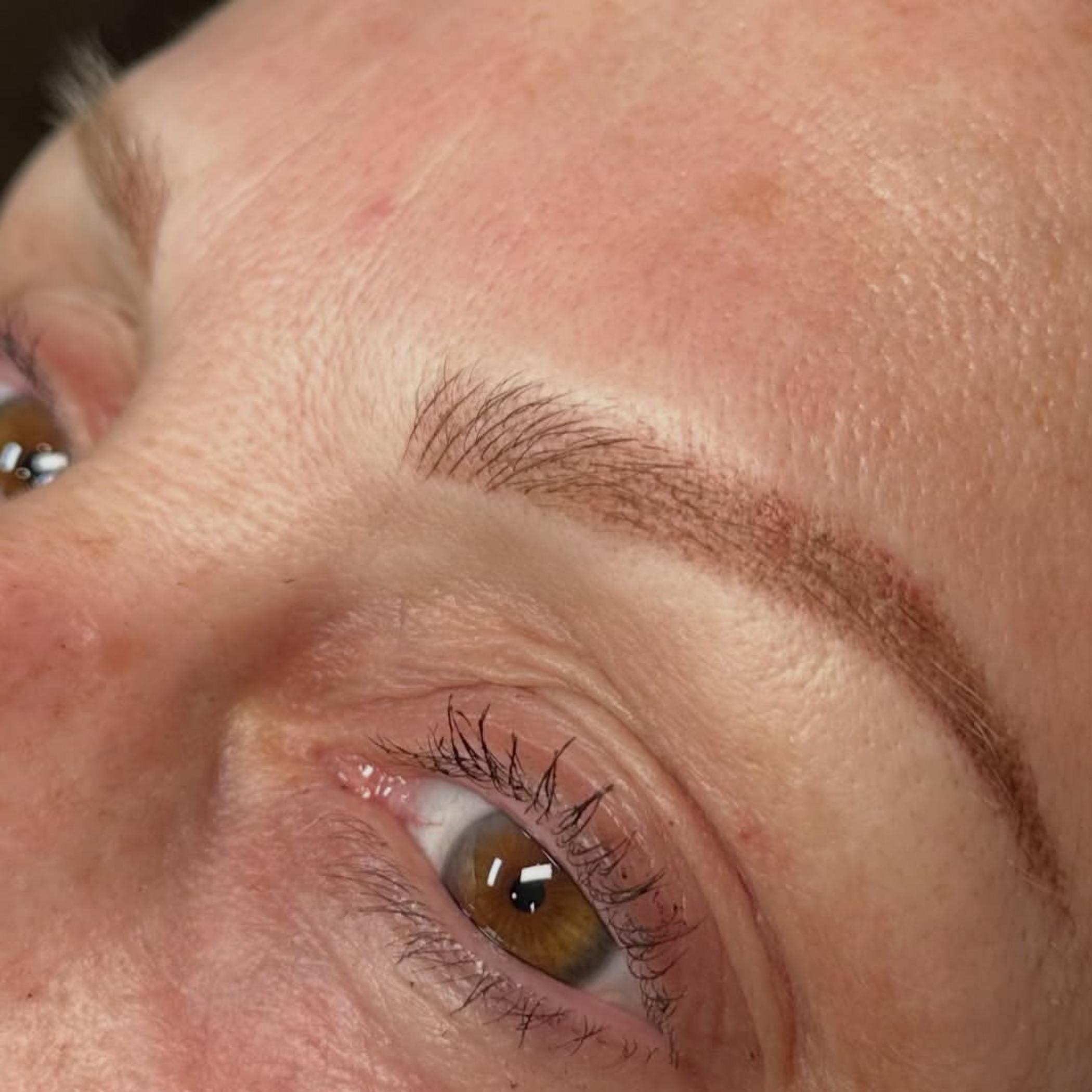
Shading uses a machine to create a soft background of colour by building up loads of tiny dots. Because the result is already meant to look all soft and blended, a bit of natural diffusion doesn’t ruin the design – in fact, it can even help.
Hair strokes – whether they’re done by blade or machine – all depend on how clean they separate from each other. On large-pored skin, those lines can heal right up together, which is why clients sometimes notice their microblading strokes merging or their hair strokes fading faster on oily skin than expected.
Nano’s Okay, But It’s Not A Silver Bullet
Yeah, nano hair strokes for oily skin can do a better job than traditional microblading because the machine causes less dragging and more controlled implantation. But better doesn’t mean perfect for everyone. If your pores are super visible or your skin is just pumping out oil, I still lean towards more shading and fewer hair strokes.
What most people get so wrong is assuming that what looks prettiest fresh is also what will heal the best. I mean, fresh brows are not the final result – it’s the healed brows that really count.
Why Shading Reigns Supreme On Oily Skin
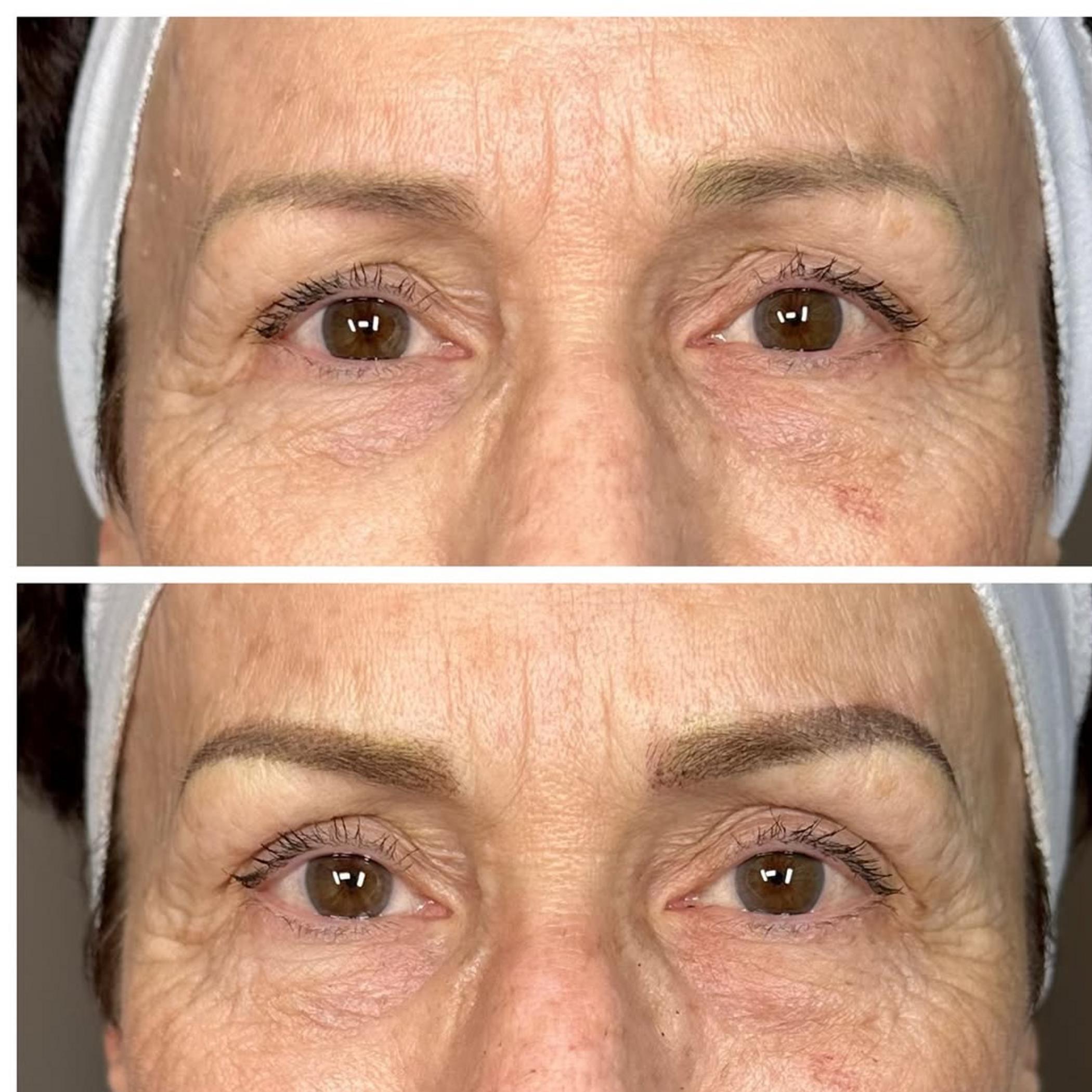
This is probably the bit that puts clients’ minds at ease. Having larger pores doesn’t mean you’re not a good candidate for a brow tattoo – it’s just that the technique you use has to be sensible.
At Face Figurati, I take the time to develop the best brow plan for each client, considering their bone structure, skin type, and how well it will hold up over the long term. Sometimes that means less going on at the front and more body in the arch and tail.
Fading Evenly Looks So Much Better
Shading is generally a better bet in the long term because it fades more evenly. Even as the colour fades over time, it tends to do so evenly across the whole brow. Strokes, on the other hand, can fade unevenly, leaving gaps or blurred patches.
This is a big deal when it comes to pores and eyebrow tattooing. Consider exploring eyebrow tattoo options for best results. Porous skin is way more likely to mess up line work than soft, subtle shading. So whether to use a machine or go for manual strokes isn’t just about personal style – it’s a decision that can make a real difference to how the tattoo heals.
A Studio Example From The Real World
I had a client from Melbourne come in with large pores on her tail and a history of her makeup coming off by lunchtime. She was keen on having fluffy-looking fronts and defined strokes all over. I explained that a powder brow approach with a bit of shading and just a few supportive strokes would probably heal better than a whole load of fine lines. At her touch-up, the shading had settled in beautifully while the front strokes had softened more than the rest – exactly as I predicted.
During The Healing Process
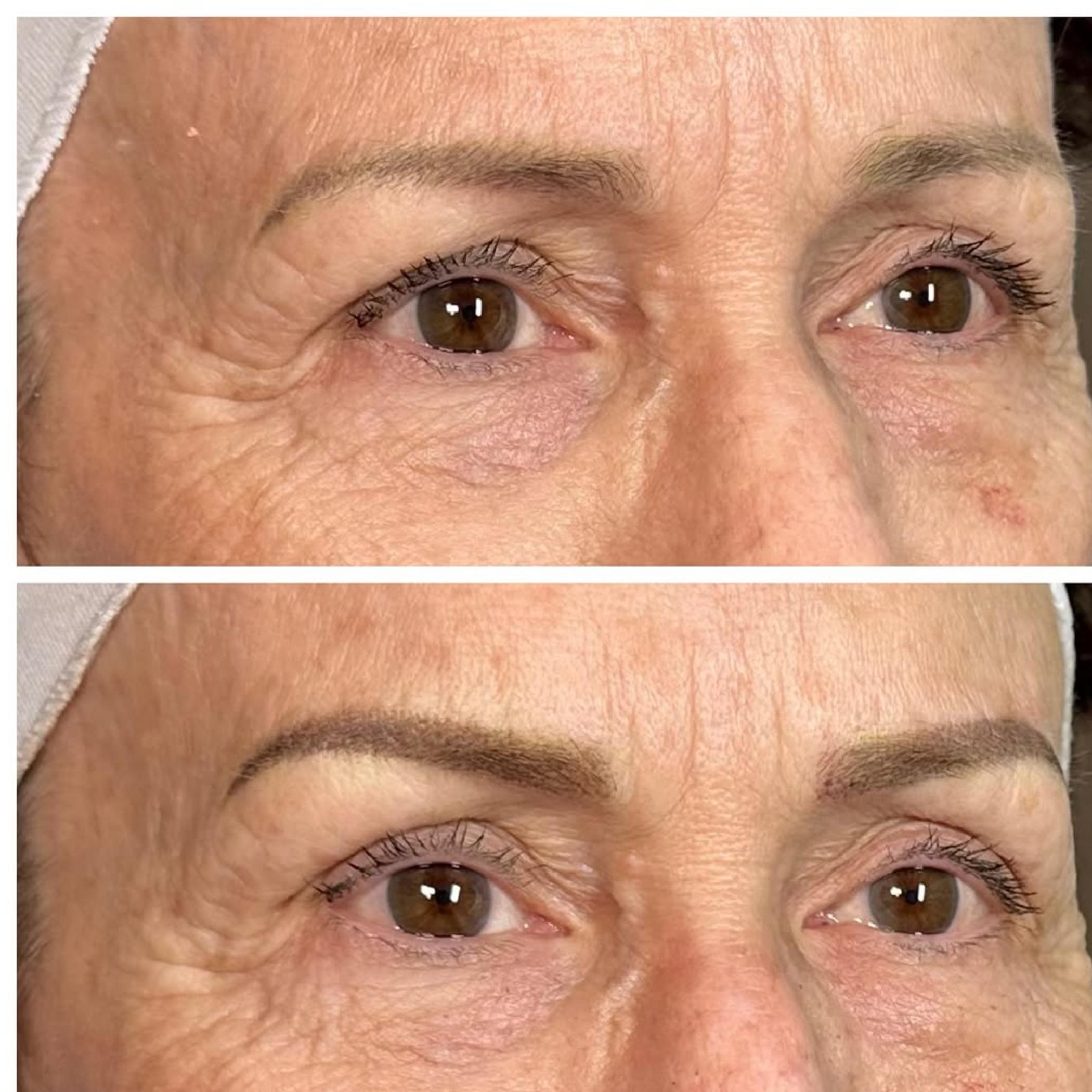
The healing timeline is important because many people get a bit panicked about it. Brows often look darker, then lighter, then settle down. Its completely normal, and a bit annoying, and happens to loads of people.
The exact healing timeline for your brows will depend on a load of factors – the amount of oil your skin produces, how well you follow your aftercare instructions, the weather, and whether you decide to do a hot yoga session on day four without checking with me first.
Typical Healing Stages
| Stage | Days | Shading On Large-Pored Skin | Hair Strokes On Large-Pored Skin |
| Fresh | Day 1-2 | Looks bolder and more filled | Looks crisp and defined |
| Surface Healing | Day 3-7 | Light flaking, slight patchiness | Flaking, some strokes may look thicker |
| Colour Drop | Day 7-14 | Softens evenly | Some areas may disappear or blur |
| Settled | Week 4-6 | Powdered, balanced finish | Less crisp than a fresh result |
| Review | Week 6-10 | Easy to refine at touch-up | Often needs more selective reinforcement |
Industry-wide, most clients are best off with two sessions to really get the job done – especially if they have oily or a lot of pores in their skin. One session is great for getting your shape and base colour right, but if you can only do one, I usually advise clients to go with shape and a nice soft density – the fine lines and details can wait for session number two.
Who’s Going to Love Combo Eyebrows
Combo brows can look amazing on loads of clients, but every face and skin type is different – and the same goes for what makes a good brow. Good cosmetic tattooing is all about figuring out what works best for your skin, rather than just copying a trend from someone with skin that’s the opposite.
I’m a bit extra cautious when it comes to people with mature skin that’s been hit by the sun, or those who’ve struggled with acne or have really oily skin – all of these things can make a big difference in how the pigment behaves.
What Makes A Good Candidate And What To Watch Out For
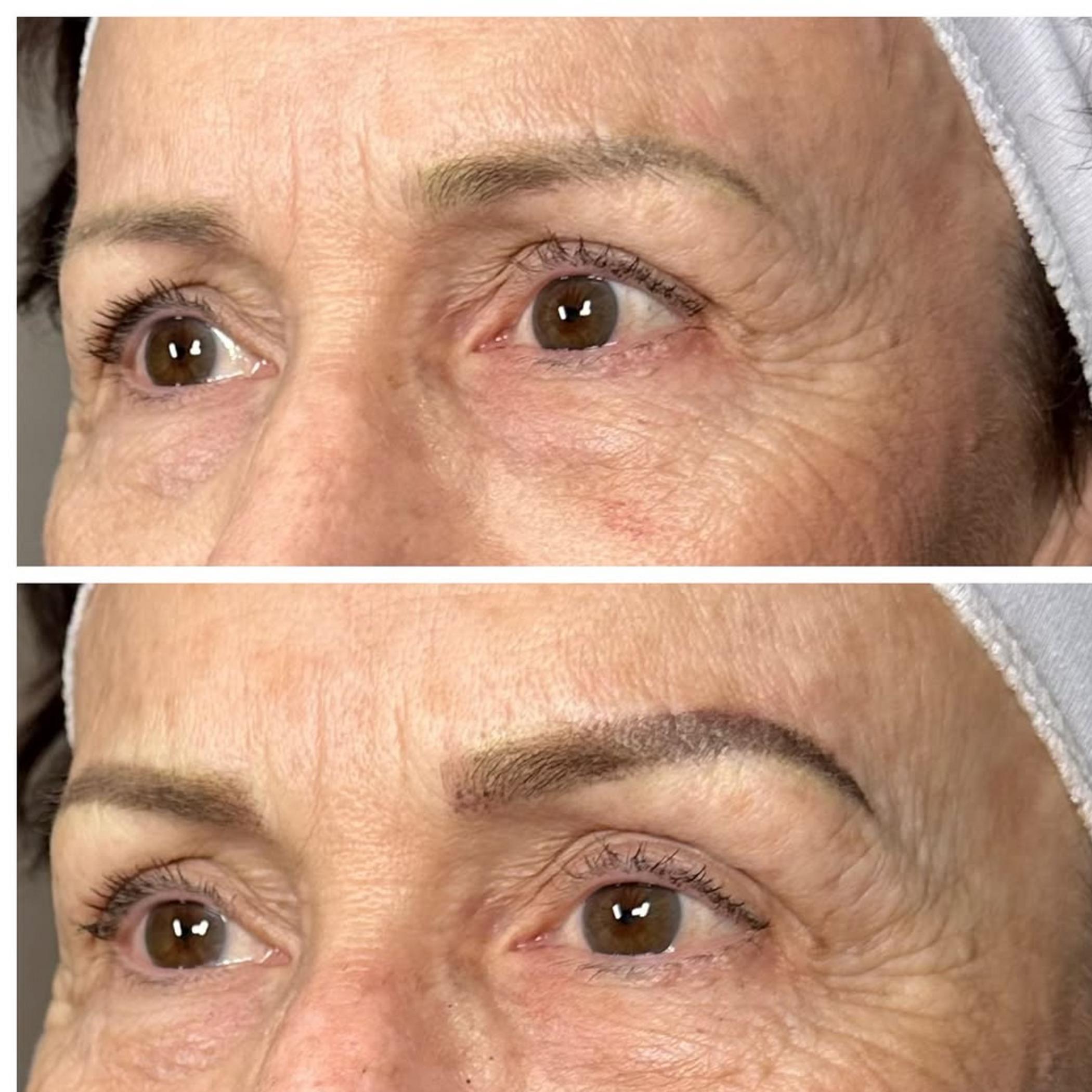
Good candidate: you’ve got normal or combination skin, not too many pores showing, and your natural brows are a bit sparse – and you’re after a combo that gives you both a bit of softness and structure.
While combo brows can work well on most skin, oilier skin tends to do better with powder-based brows – that’s because they tend to have bigger pores and more oil flowing around.
Generally, it’s best to steer clear if you’re pregnant, or you’ve got active dermatitis, or you’ve got a nasty case of acne in the brow area, or you’ve recently been getting microblading, or your immunity is a bit low, or you’ve got unrealistic expectations about what you can get out of the treatment.
Just because you’re over 55 doesn’t mean you’re automatically out of the running – but if your skin is thinner, drier, or gets all crepey, then traditional microblading might not be the best choice. In those cases, machine-based work can be a bit more forgiving.
What Affects How Well You’ll Get On
Getting a good result isn’t just about the actual tattoo – a lot of it comes down to the prep work that happens beforehand, how well you look after yourself afterwards, when you come in for your appointment, and what you’re expecting from the whole process. And this is the bit that tends to catch many clients off guard.
At Cosmetic Tattoo Studio Melbourne Face Figurati, our combo brow appointments usually take around 2.5 to 3 hours – that includes the consult, mapping out your brows, numbing them up and the actual treatment. And then we’re usually looking at 6 to 10 weeks before you need a touch-up, that’s when you can really see the difference. Pricing-wise, we’re looking at around AUD 450-900, depending on how much work your artist has done and whether we need to make any corrections.
Keeping Things Simple With Prep And Aftercare
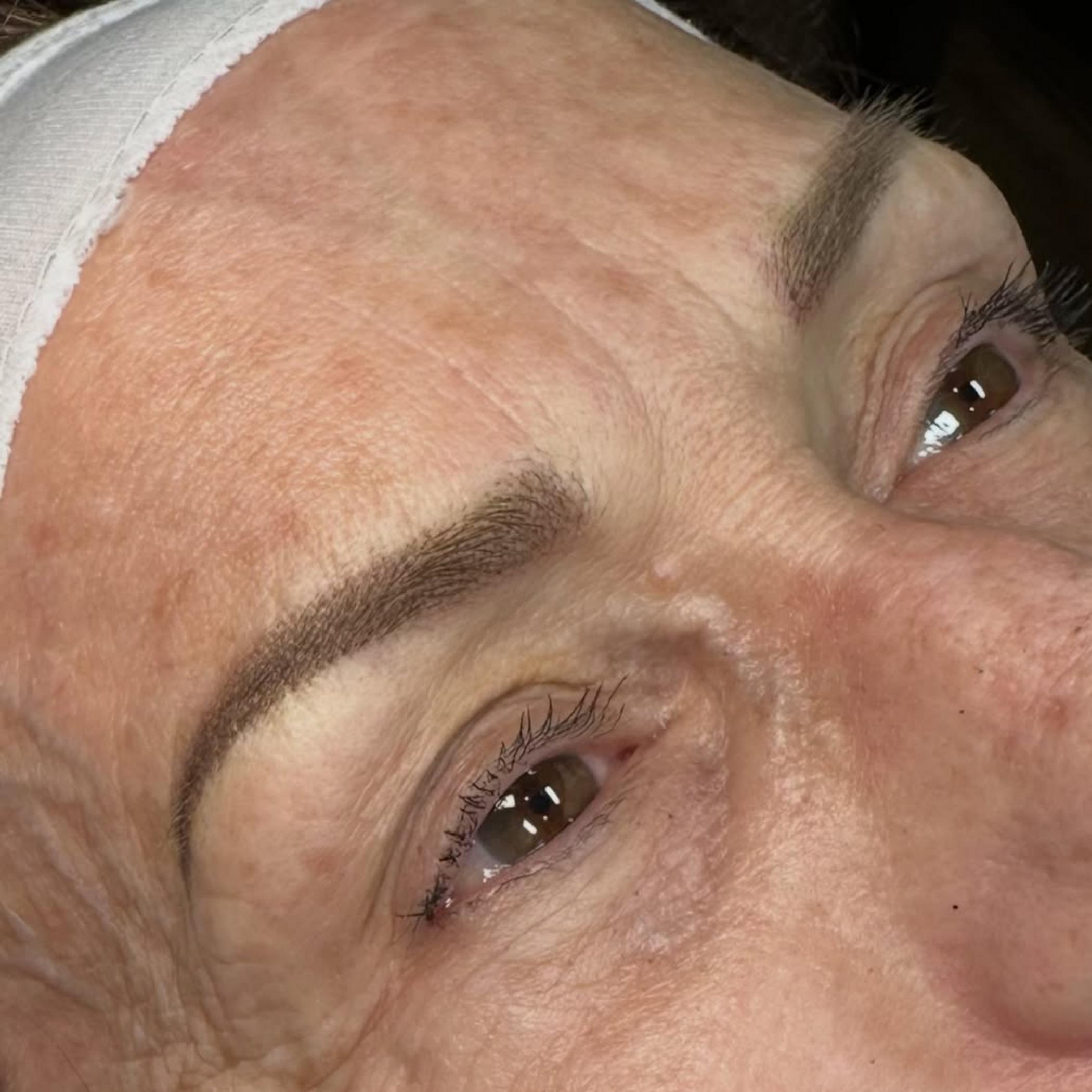
Don’t do anything too crazy with your skin care – no retinol, acids, tanning or extreme exfoliation near your brows for at least a week ahead of time.
If you can, try to avoid drinking or working out too hard for 24 hours on either side of the treatment.
Just leave your brows alone for the first few days, keep them clean and dry and try not to touch them.
Follow your artist’s aftercare instructions for oily skin to the letter.
If you’re getting any skin irritation or feeling unwell, we’ll probably need to put the treatment on hold for a bit.
In Melbourne, the wind can be a real pain in winter, making your skin feel tight and dry, while in summer, it’s the sweat that can cause a few problems with healing. So I tend to plan out our aftercare around your work, workouts and social life rather than just the treatment itself. Most people can go back to work the day after, but it’s probably best to steer clear of any big events for at least 10 days.
Common Myths That Need Clearing Out
There’s still a load of rubbish online that sounds like the real deal until you see the results up close. And let’s be honest, a lot of those brow content vids you see have been filmed under super-bright lighting, right on day one, not at the 6-week mark.
My take on all this: go for the brow technique that works for YOU, not the one that looks the flashiest in a close-up video.
The Gap Between What You Expect And Reality
Is eyebrow shading the way to go, or is microblading better? On a lot of people with big pores or oily skin, shading is often the winner. But what are the downsides of combo brows? If the artist goes too crazy with the strokes on skin that just can’t handle it, you’re going to end up with an uneven finish. How long does it take for combination brows to heal up? It takes about 7 to 14 days for the surface stuff to settle, but the true result can take up to 6 weeks, or even longer on oily skin.
I’ve seen some pretty dodgy work from beginners who try to get perfect lines and end up going too deep. That just increases the risk of trauma, poor colour healing, and unwanted migration. Artists who know their stuff know the value of restraint – it’s a key part of the skill.
The Bottom Line
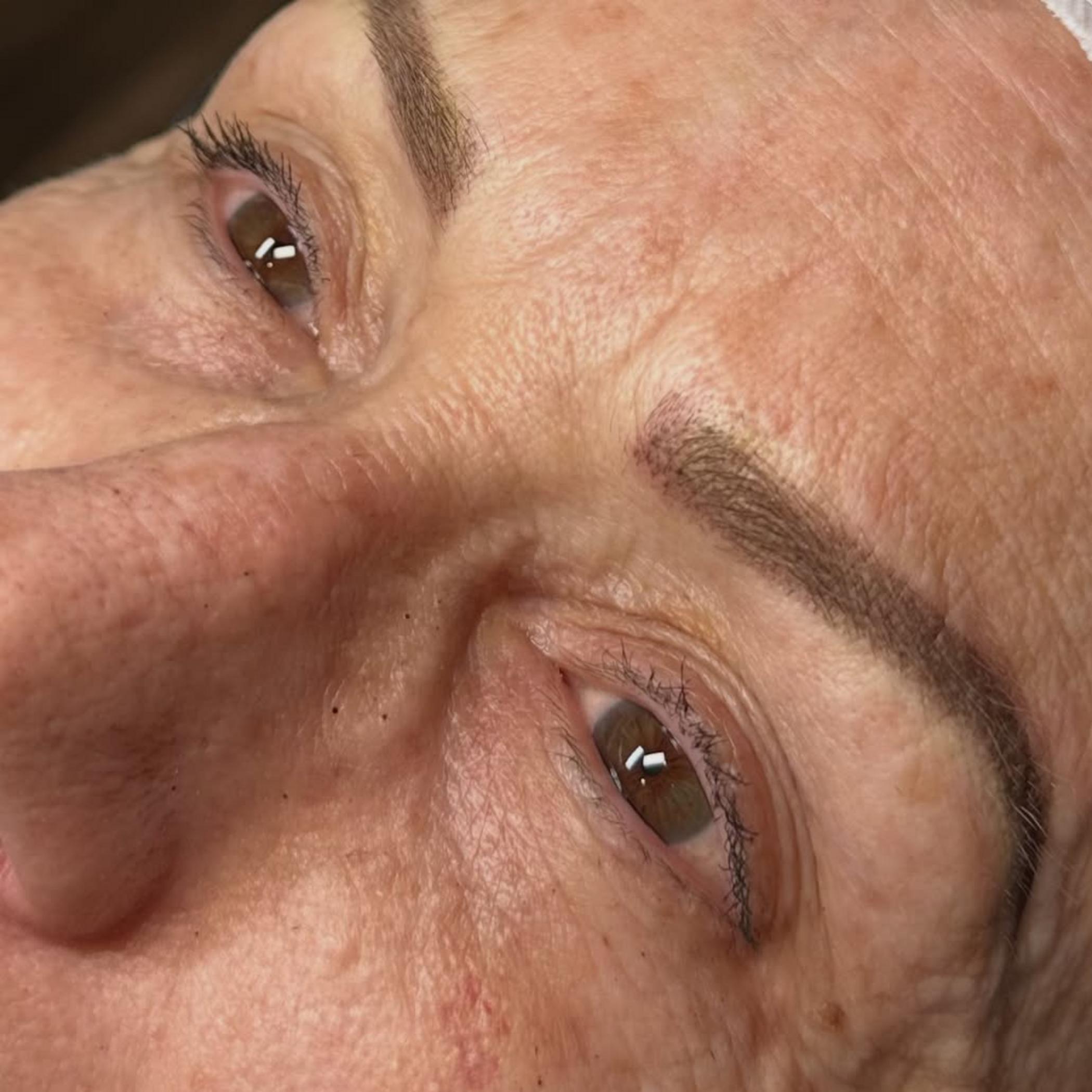
If you’ve got big pores and you’re deciding between strokes and shading, here’s the thing to remember: softer shading usually heals better because it plays nice with how porous skin holds colour. That doesn’t mean you’ll never be able to get strokes; it means they need to be used more thoughtfully.
Still unsure what your skin will play nice with? Give me a ring at Face Figurati, and I’ll go through it all with you, no BS. I’d rather steer you clear of a brow that’s going to cause more problems than get it sorted now and avoid a world of trouble later.
FAQ
What’s the problem with combo brows?
If the artist gets the stroke-to-shading ratio wrong for your skin, you’re looking at uneven blurring or fading.
Is eyebrow shading better than microblading?
For people with oily or big-pored skin, shading usually comes out on top.
Why isn’t microblading recommended for anyone over 55?
Mature skin can be pretty thin or dry, which makes manual strokes less likely to heal up smoothly.
How long does it take for combo brows to heal?
About 7 to 14 days for the surface stuff to settle, and 4 to 6 weeks for the finished result.
Can hair strokes still work on big pores?
Sometimes, yeah, but mostly in smaller areas and with a healthy dose of realism.
