
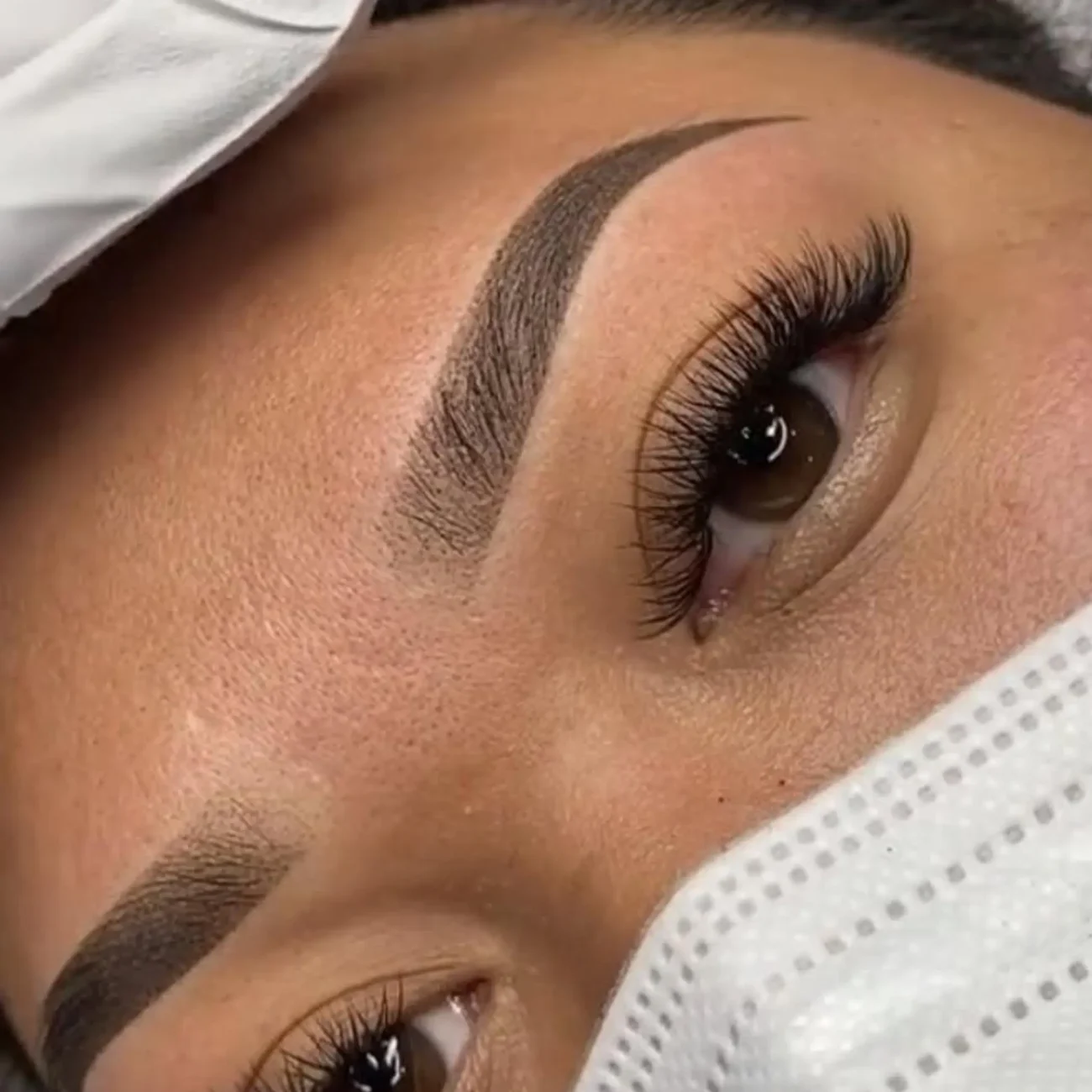
Saline vs alkaline microblading removal comes down to how your skin behaves: put simply, hypertonic saline lifts the skin from the inside out, while alkaline lightening solutions work by blasting away the tattoo and pigment with a very high pH. And the difference really matters, especially when you’ve got thin, scarred forehead skin that’s just crying out for delicate treatment – because the wrong method can easily end up messing with the texture, causing scabs to linger and pigment to spread in all the wrong ways.
I’m Olha Po, the founder of Cosmetic Tattoo Studio Melbourne Face Figurati, and I’ll be straight with you: I’d much rather give you an honest rundown of the ins and outs of microblading removal than just spin a load of fluff. If you’re stuck with a dodgy old tattoo job in a spot of skin that’s riddled with scar tissue – well, choosing between saline lift and chemical lift isn’t something to be taken lightly. One might be gentler if you’ve got a good technician working on you, but neither is automatically safe to use, full stop.
Your Best Starting Point
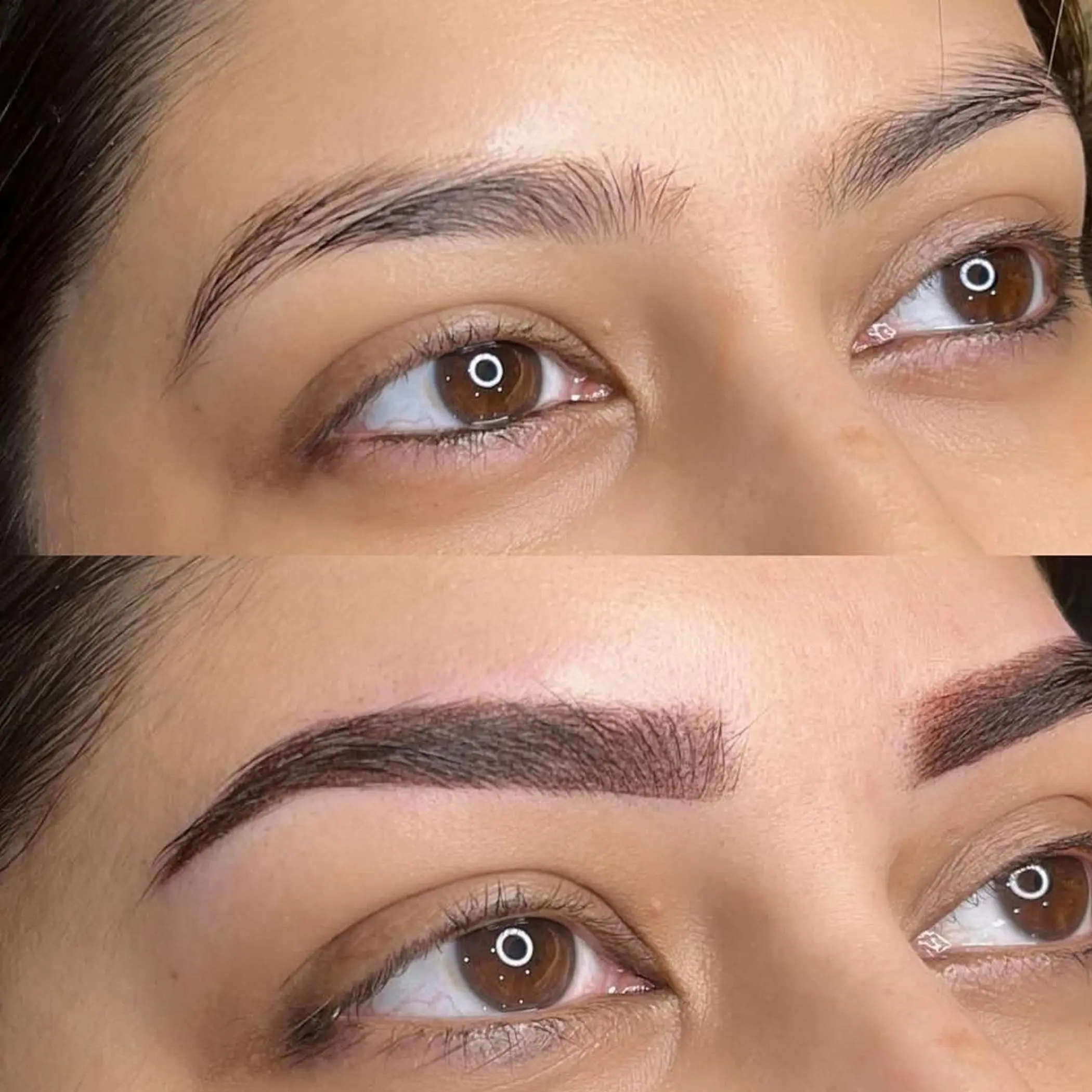
When someone comes in worried about removing their forehead microblading, I slow things right down. Thin skin and scar tissue just don’t behave like healthy brow skin, so what worked a treat for your friend’s wonky arches might not be the best fit for you.
Living in Melbourne, I also take the season into account when it comes to microblading in melbourne – dry winter air, scorching summer sun, gym sweat and all the other things that can leave your delicate skin feeling like it’s been put through a wringer.
Quick Answer For Delicate Skin
You’ve got two options for removal: with hypertonic saline, your skin’s just drawn upwards by osmosis after a controlled opening, taking some pigment with it. Alkaline lightning solutions, on the other hand, are a bit more aggressive – they change the local skin environment by using a ridiculously high pH level to get your skin to exfoliate and release the pigment. If you’ve got thin, scarred forehead skin, the saline option is generally the safer bet because it causes less damage. That said, if the skin is already knotted up from previous trauma, it can still overreact to the saline. And if that’s the case, well – there’s no magic solution.
How Each Method Lifts Pigment
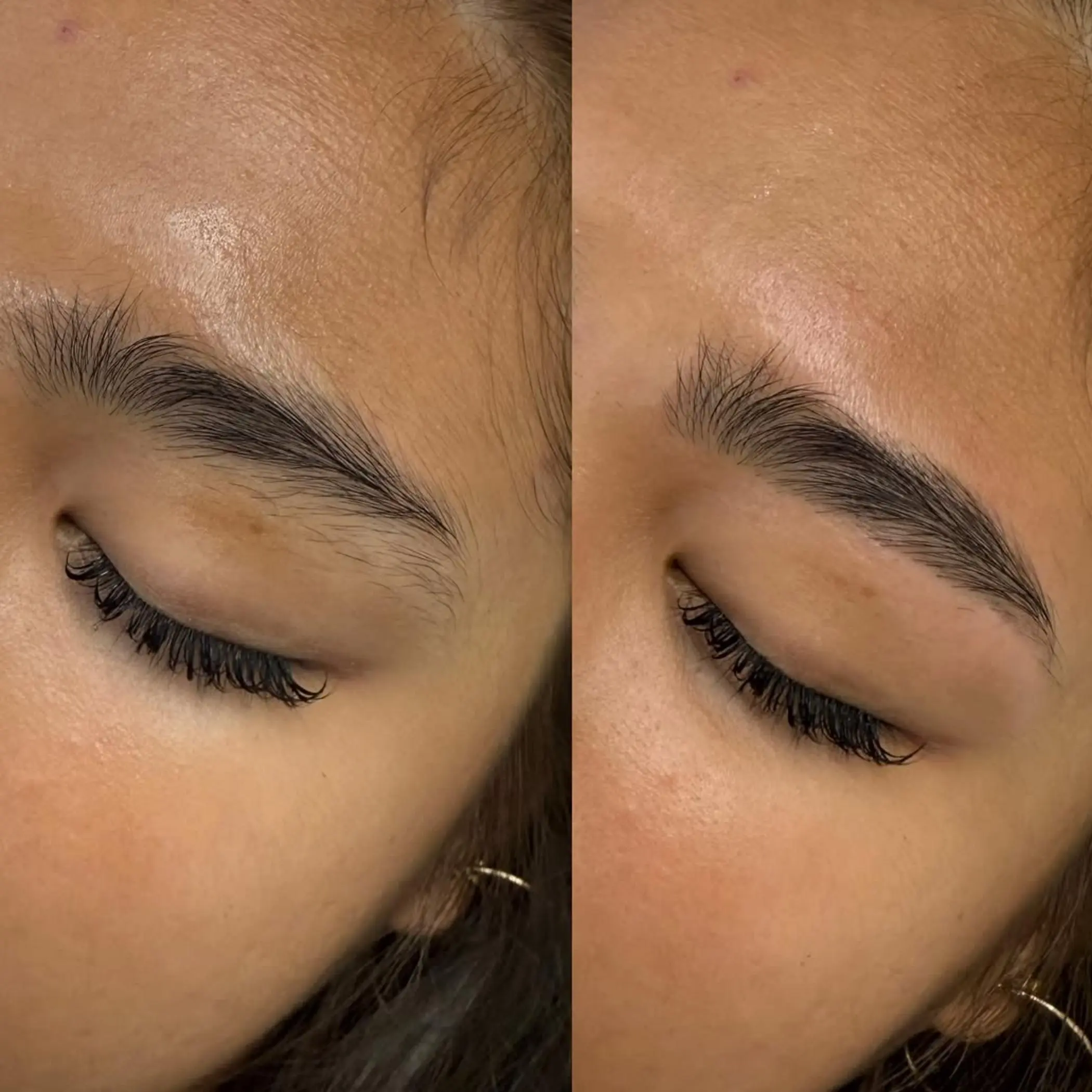
This is where most online advice falls short of being straight. People talk about “getting rid” of pigment as if it just wafts away, but the truth is, skin is a layered, complex tissue, not some sponge with a zip.
Understanding the nitty-gritty of how these methods work is key to setting realistic hopes. It also keeps you from falling into the trap of clinics that promise you’ll get the results of a lifetime after just one session – on skin that’s already been battered.
Saline Works By Fluid Shift
A hypertonic solution has way more salt in it than the fluid in your skin. When the skin is broken open by a tattoo machine, the saline solution helps initiate a fluid shift through osmosis, drawing water upward. As the area heals, some of the suspended pigment can get carried up into the forming scab.
One thing to remember is that most people get this wrong: Saline does not just magically suck all the ink out. It can help lift the pigment sitting right on top, but particles deeper in the skin might stick around. And if you’re dealing with scar tissue, results might be slower because the skin’s circulation, collagen repair, and cell turnover are all a bit of a mess.
Alkaline Relies On Chemical Action
Alkaline formulas create an environment that’s way too alkaline for your skin. This can break down the way pigment clings to the skin and get some exfoliating action going. Some systems might use acids in the mix, too – people often throw these under the umbrella of glycolic acid tattoo removal or chemical lifts. However, the specific formulas may differ.
The problem is that on thin skin, like on your forehead, chemical action can be a bit too much. It might reduce pigmentation more quickly in some cases, but it can also lead to more inflammation, longer-lasting redness, and a higher risk of textural changes if your skin is already weakened or scarred.
Tissue Response In Scarred Areas
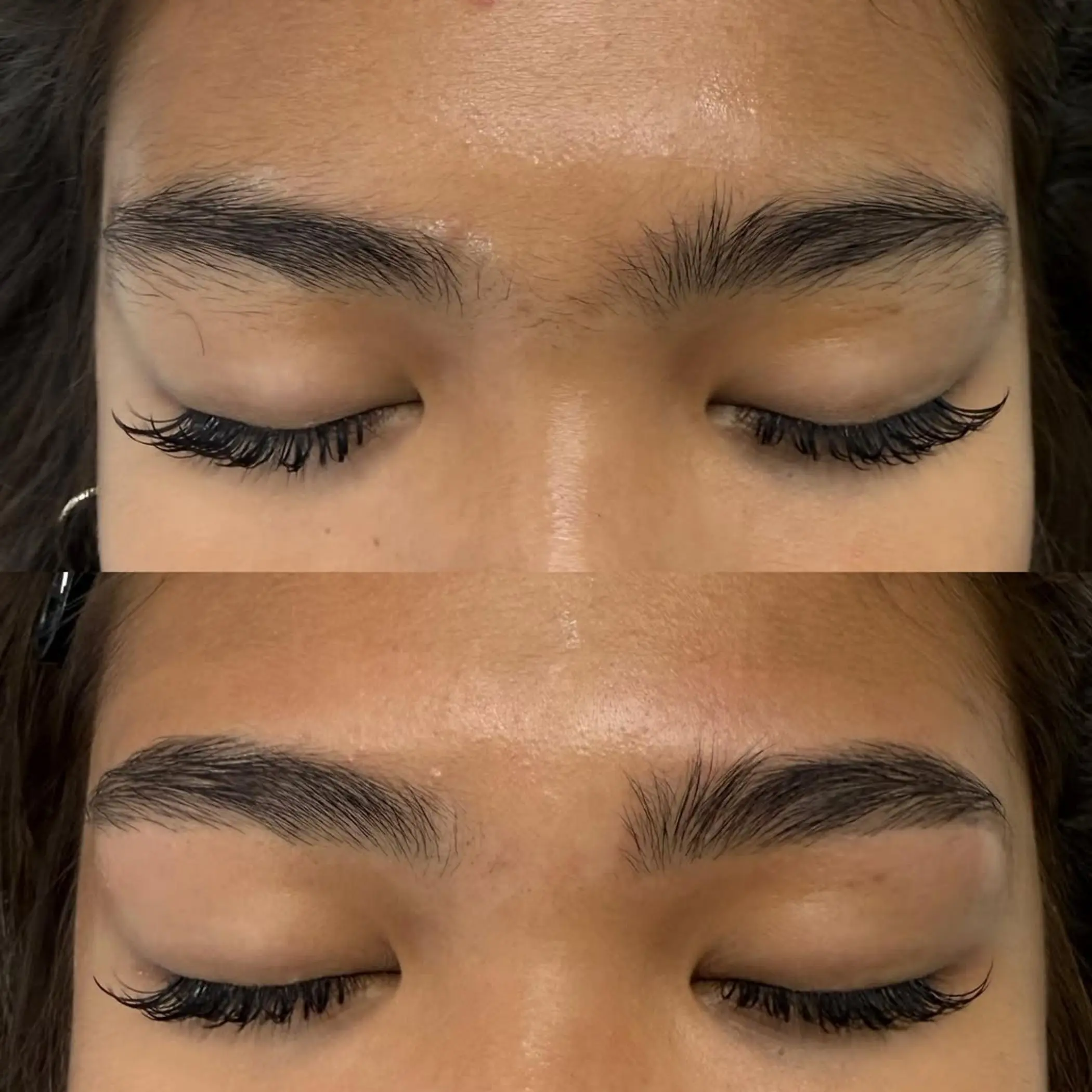
This isn’t about comparing which method can erase ink the fastest. This is about getting a true sense of how your skin will respond – and I’ve seen tons of clients come to me after being told their old lines could be erased easily, only to find that the skin has already been overworked from being poked and prodded one too many times.
At Face Figurati, we first assess how your skin is reacting, then we’ll start talking about the pigment. That order makes a bigger difference than people tend to think.
Scar Tissue Changes The Rules
When you’ve got scar tissue on your skin, the rules get changed. The collagen fibres in your skin are all jumbled up, the blood supply is reduced, and the skin on the surface might be thinner or more uneven. If you try to treat scar tissue with a removal method that’s too aggressive, you might end up doing more damage than good.
With saline tattoo removal for clients in Australia, we often find that a gradual softening is a better approach than trying to remove all the ink at once. With alkaline methods, we like to use caution on foreheads, because the skin can get a bit too sensitive, especially if there’s been picking or repeated tattoo corrections in the area.
Expectation Vs Reality
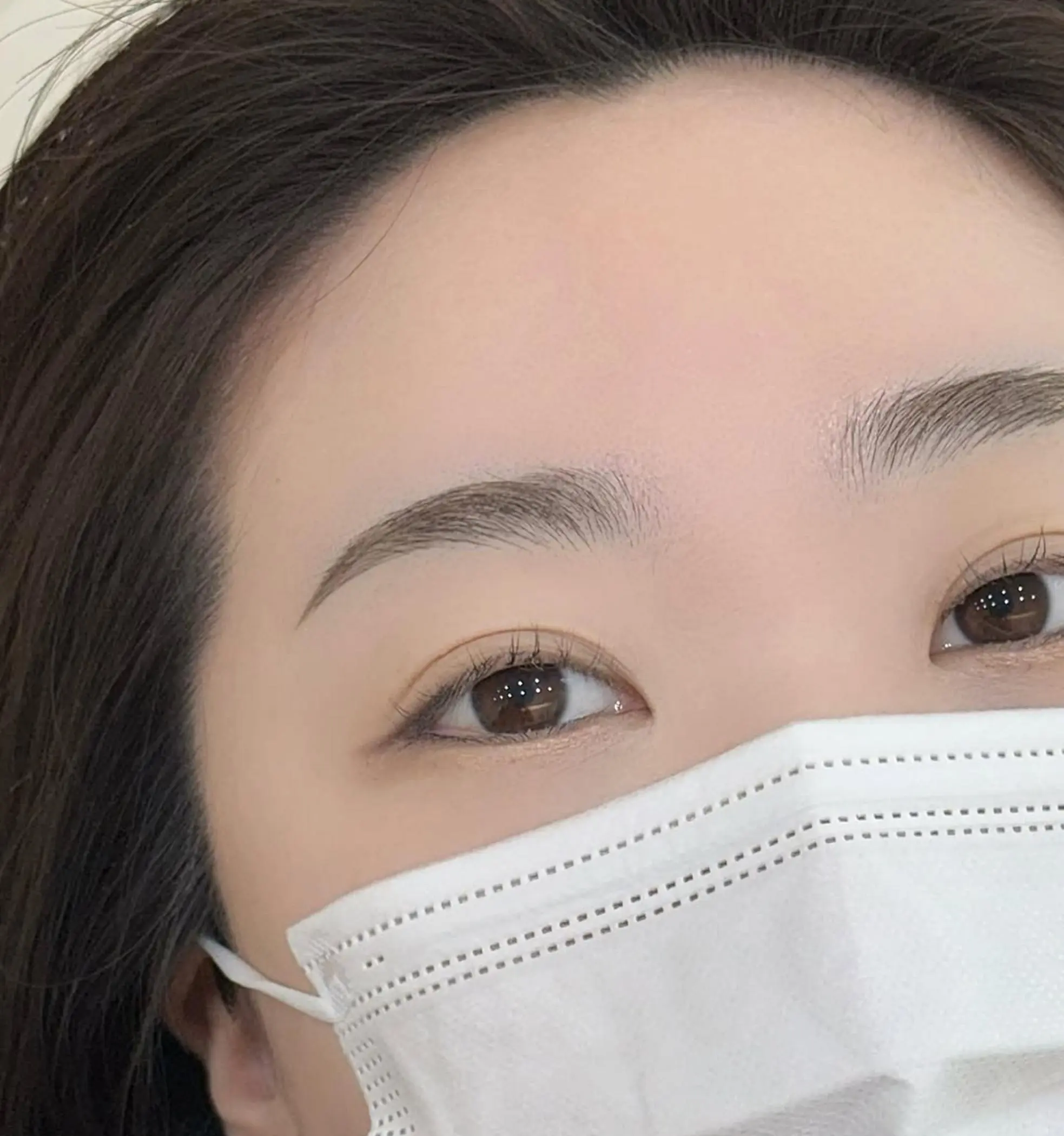
When your skin starts to react to the treatment, it can look pretty dramatic – you get swelling, whitening, redness or a dark crust, and you might think it’s a sign that the method is working well. Not necessarily so. A stronger reaction doesn’t always mean better results – sometimes it just means more inflammation.
| Factor | Hypertonic Saline | Alkaline Lightening |
| Main mechanism | Osmosis and surface lift | High-pH chemical disruption |
| Typical skin response | Drying, crusting, gradual fade | More active irritation, exfoliation |
| Best use case | Conservative correction | Select stubborn cases, suitable skin only |
| Concern about scarred forehead | Slow results, incomplete lift | Higher risk of textural change |
| One-session reality | Minor softening | Possible stronger shift, not guaranteed |
Risks, Timing, and Cost
I’ve found that a client who asks some tough questions is always a better bet than one who runs out and books me after seeing a ‘before and after’ on TikTok – it’s just a recipe for disaster. The truth is, removal is an area where honesty really needs to shine, because if you get the planning wrong, you can end up worse off with even less pigment and skin that looks no better.
Melbourne pricing can vary like crazy depending on who’s doing it – we’re talking operator experience, how complicated your skin is, and whether it’s an emergency or you’re trying to get rid of old pigment. On the whole, going for the cheapest option for delicate areas just doesn’t usually make sense.
Healing Usually Takes Longer
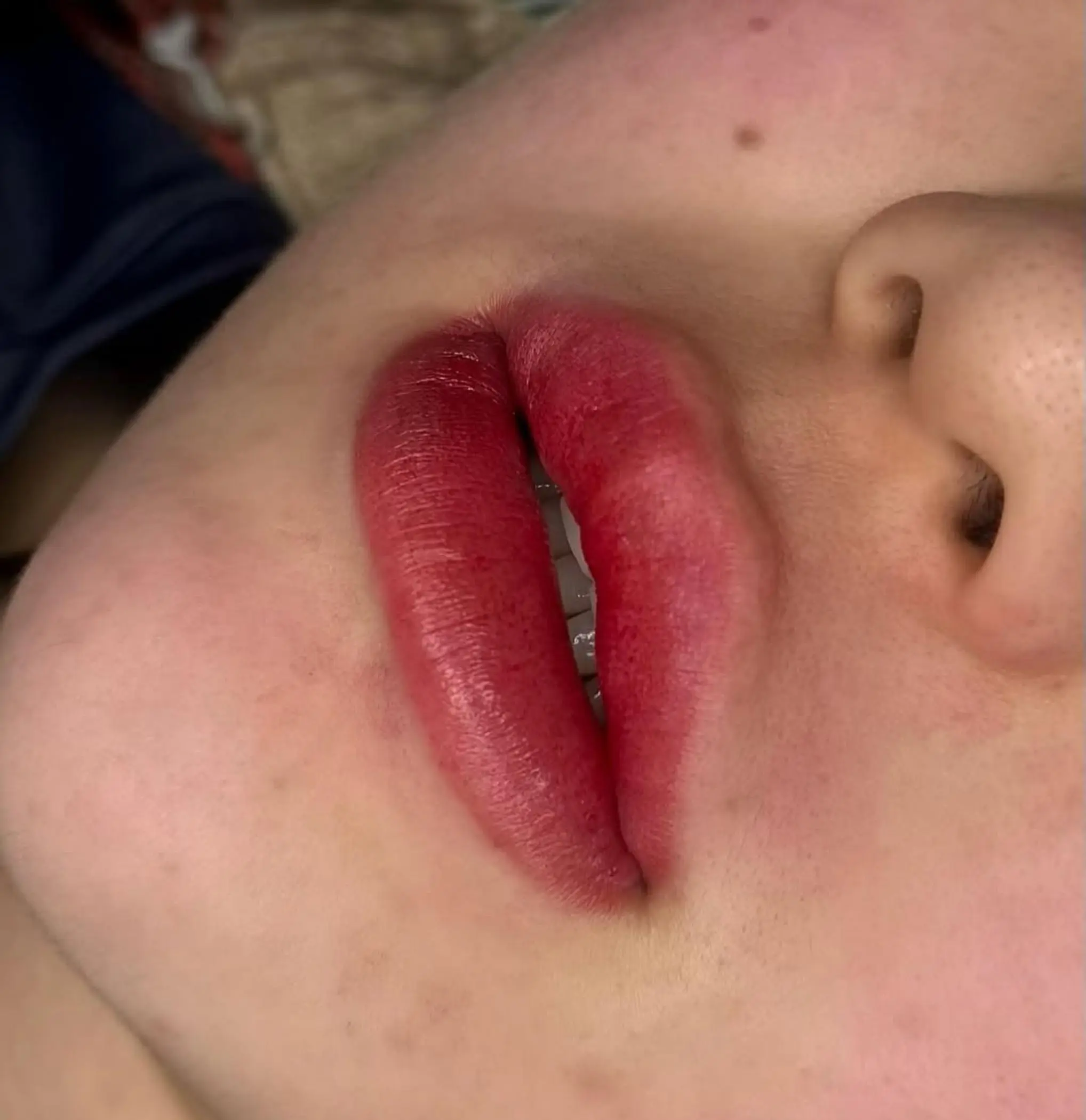
A normal appointment with me usually takes anywhere from 45 to 75 minutes, from the initial assessment through to taking those all-important before-and-after photos. You’ll probably be fine to head back to work right away, but the treated area might look a bit crusty for 5 to 10 days, then you’ve got the pink or shiny phase to look forward to for a few more weeks. Some people – especially those with thin or scarred foreheads – can find their healing timeline gets stretched way beyond what the textbooks say.
One session probably won’t be enough to get the results you want, so let’s be realistic here: most clients need 2 to 4 sessions, spaced out at least 8 to 10 weeks apart, and sometimes even longer if your skin’s just not up to speed.
Typical Costs And Variables
| Service Type | Typical Melbourne Range | What Changes The Price |
| Consultation | $50-$120 | Complex history, patch testing, scar review |
| Single saline removal session | $180-$350 | Area size, artist experience, correction depth |
| Alkaline/lightning session | $200-$380 | Skin risk, product system, treatment time |
| Combined revision planning | $300+ | Multiple modalities, redraw, future cover work |
In my studio experience, what catches clients off guard is not the first flake-off stage. To be honest, it’s not the first sign of a removal that starts to fade; that’s what clients always expect. Its the uneven, patchy finish afterwards that catches them out – one bit lightens up, and another bit seems to hold firm, and sometimes you can even get little patches of pigment that just refuse to budge, even after the rest has gone.
Safer Planning Before You Book
I wish to goodness that more people would take the time to read this before rushing in to get a fix. Removal of the delicate skin of the forehead is way more like wound management than a standard beauty treatment.
If your skin’s already a bit sensitive, or you’ve got a history of autoimmune issues, or you’ve just been in the sun or are in the middle of some active skin treatments – just hold off until things calm down. Trust me, no brow emergency is worth taking a preventable risk.
Who Should Be Extra Careful
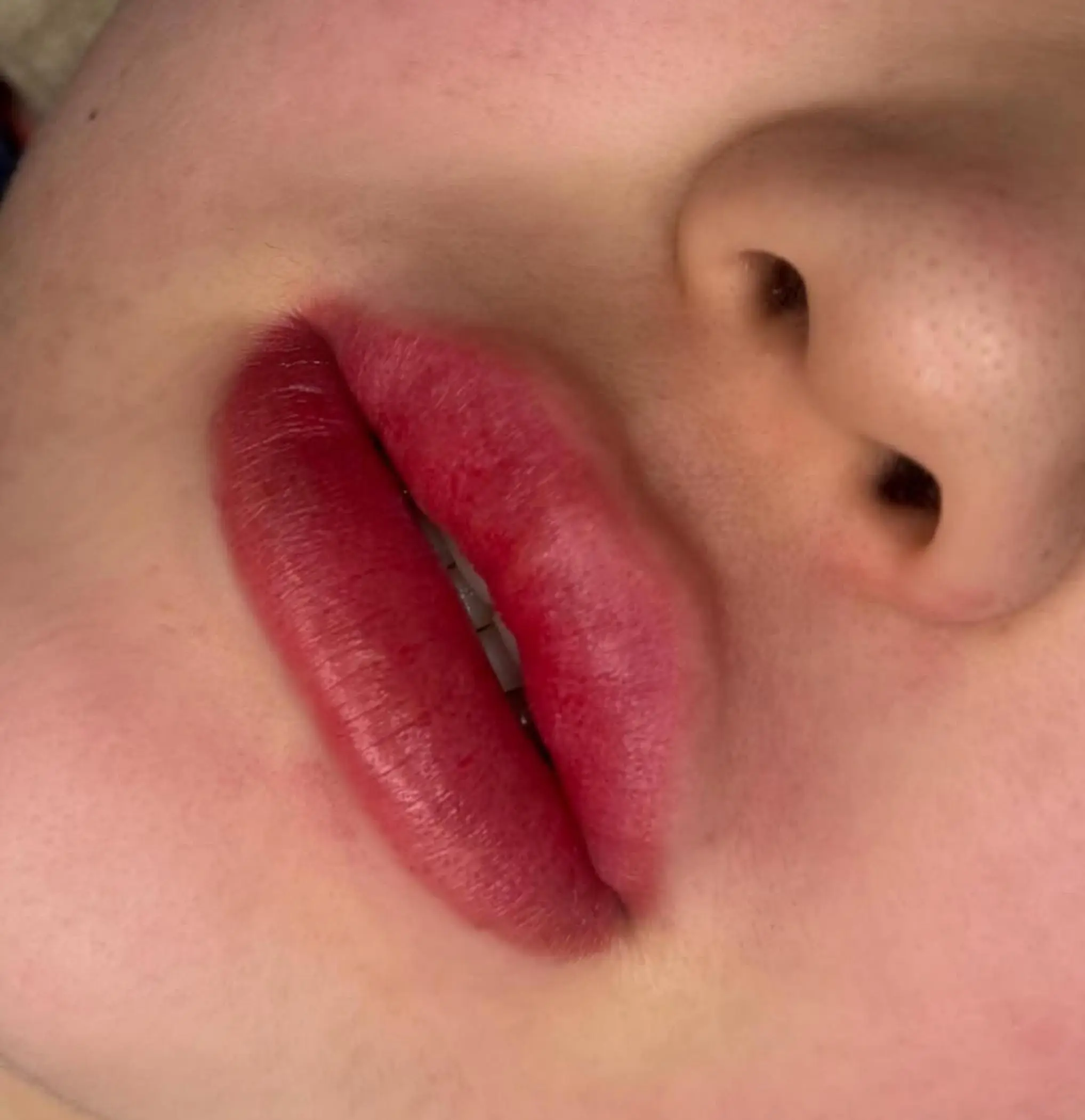
Anyone with skin that’s thin, shiny, scarred or has been overworked in the past
People who are currently using any sort of retinoids, acids or steroid creams on the area
Those with a history of keloid or weird scar tissue responses
Anyone who’s recently had a peel, been needling, had a laser treatment, got a sunburn or an infection
Aftercare That Actually Matters
Just keep the area clean and dry, unless your artist tells you otherwise – leave it well alone.
Try to avoid sweating, swimming, sun exposure, makeup, and all that active skincare for a bit while it heals.
And for the love of all things good, don’t even think about picking at any scabs. That’s how you end up with extra scar tissue and patchy results.
If you notice the redness spreading, the heat lasting, the pus forming, the fever kicking in, or the pain getting worse, get yourself to a doctor.
And at Cosmetic Tattoo Studio Melbourne Face Figurati, I also have to remind clients that summer can be a real challenge for healing. UV, sweat and all those outdoor weekends are great for the soul, but pretty terrible for a healing removal patch.
My Honest Takeaway
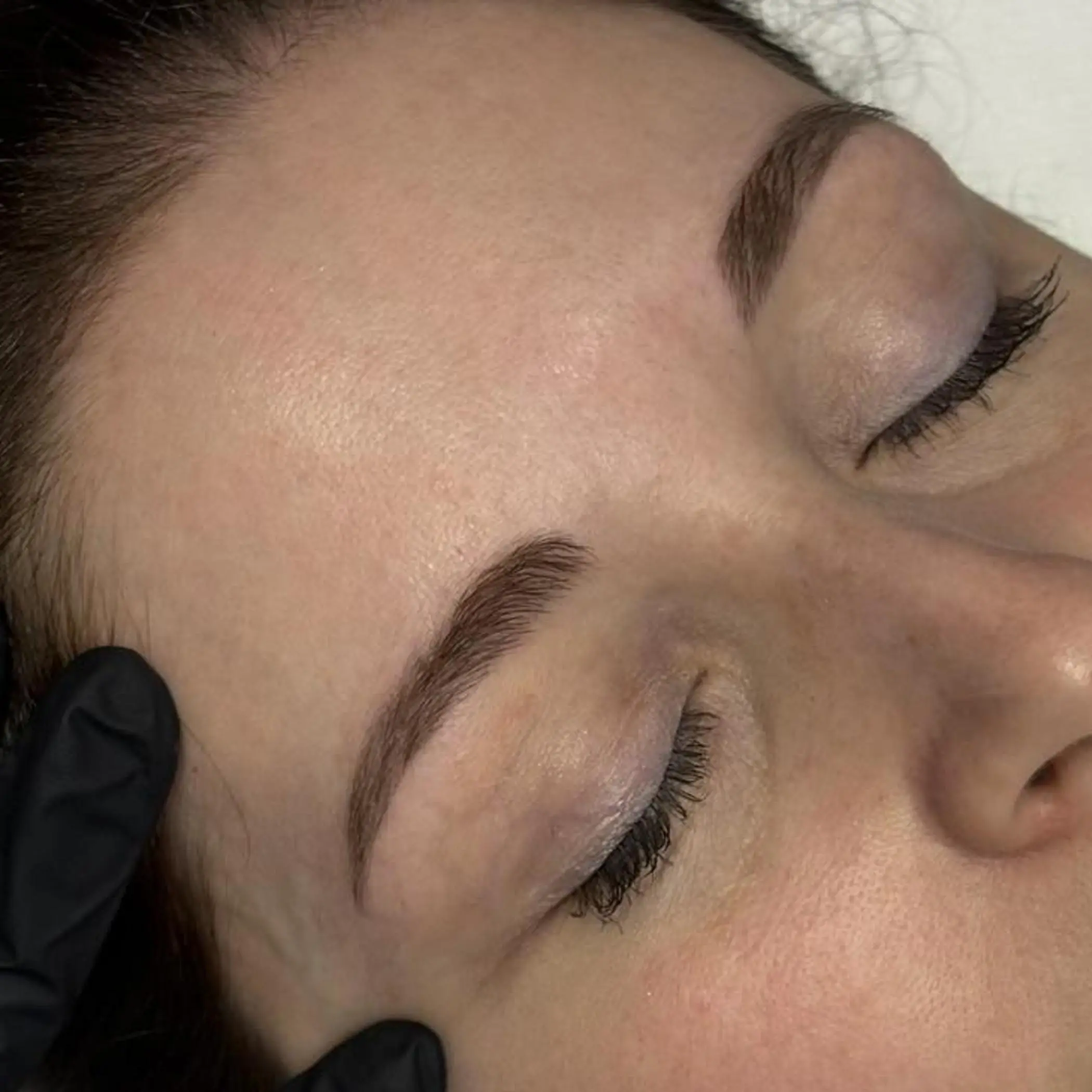
If you want the lowdown from someone who’s been in the game since 2016 – I’ve got a simple take: for thin, scarred skin on your forehead, hypertonic saline microblading removal is probably the safer bet – it’s a gentler method after all. Alkaline lightening is another option, but you’ve got to be careful; it’s a pretty harsh chemical that can really mess with compromised tissue. So the best way to do it really depends on the quality of the scar, how deep the pigment is, your skin’s history and how much of a risk-taker you are. It’s not about what’s trendy this month.
I’ve had plenty of clients come to me from all over Melbourne after they’ve had other places do saline removal, and some of them ended up with great results – the colour faded out over time. Others came in, and we had to just put the brakes on and let their skin recover rather than push on with more removal. Still can’t say for sure whether your case is a good fit for saline, LiFT, or maybe something entirely different, like a conservative redo or a referral? Just get in touch with Face Figurati – I’ll walk you through it honestly.
FAQ
Do Brows Keep Fading After Saline Removal?
Yeah, they do. It’s normal for them to keep getting softer and lighter over several weeks as your skin settles down and the inflammation dies off.
What Actually Makes Tattoo Ink Come Out Of Skin?
For saline, it’s all about osmosis and the skin healing process. With alkaline methods, its more like chemical peels; the pigment comes right out of the skin.
Can Saline Get Rid Of Microblading?
It can, but it’s more like it reduces and lifts it rather than totally removing it. It’s usually a gradual process and might not get rid of the deeper stuff in one go.
What Do Eyebrows Look Like After Saline Removal?
At first, they can look pretty rough – red, dry, darker, all the usual suspects. Once healed, though, they often end up lighter and softer, but sometimes unevenly faded.
Is Alkaline Better For Old Pigment?
Not necessarily. Sometimes it can shift stubborn colour a bit faster, but if you’ve got thin, scarred skin, it can also cause irritation and make your skin look worse.
